
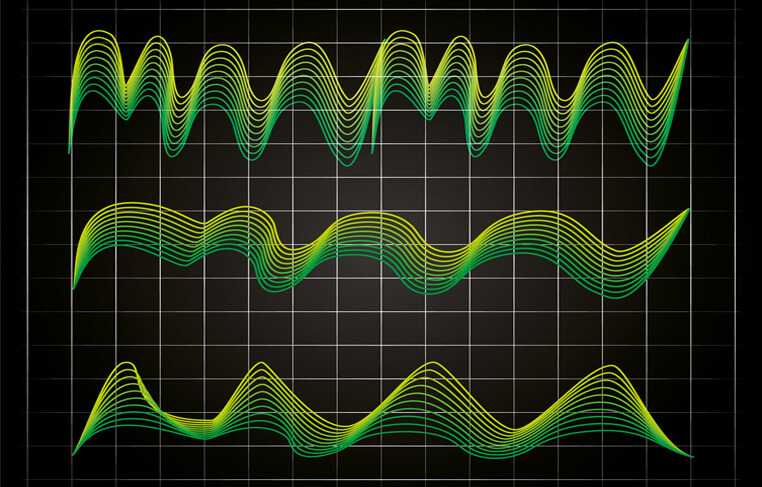
In plain English, sound is a movement of particles that can float through a medium or, better put, move like a wave. A necessary condition for creating a sound wave is the existence of a space; For example, gas is a medium for sound propagation. Liquid and solid are also spaces in which sound moves. Sound is the only subject that can travel in all three mediums, solid, liquid, and gas. Compared to light that can only move in liquid and gas. Surprisingly, sound experiences the fastest propagation speed in solids.
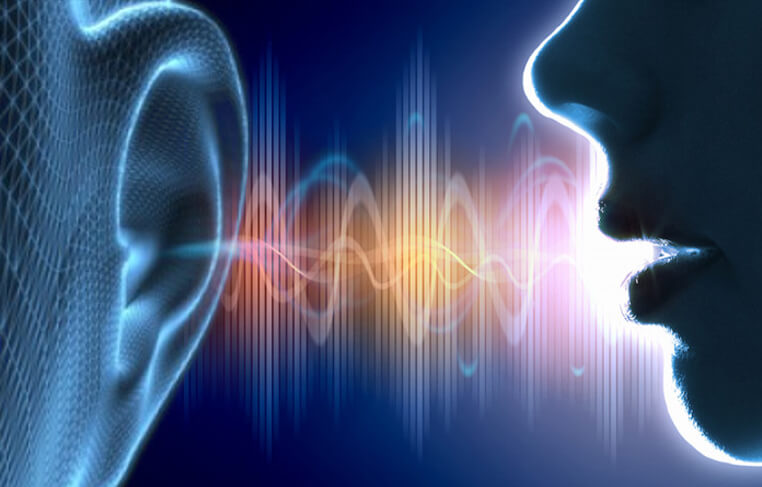
These definitions that we started with above are related to the science of physics. In the world of audiology, sound is the perception that the human ear understands, through the mechanism that the organs inside the ear make possible, and the eardrum plays an important role in this operation.
In the world of philosophy, sounds are inseparable from what a phenomenological philosopher uses to explain phenomena. For example, industrial sounds are an inseparable part of the phenomenon called industrial city, and nature sounds like wind and waterfall are part of the natural environment.
In the world of music, sound is what is created by the composer and played with the help of musical instruments. In the world of modern music, these instruments can be anything, including an airplane engine.
Therefore, we can understand how much history we humans have made with the concept of sound.
In the everyday world, human communication is formed through words; those are the words that people pronounce with the help of their oral organs such as lips and tongue, and their meanings are gradually changed from this use and new uses are given to the words.
If you think that our sound ends here, you are naturally wrong. In the world of singing, sound is a certain quality that a singer’s voice can be heard from. Sound implies social and natural meanings and phenomena, but it seems to be enough here.
Applications of sound
Sound helps create space, define setting and environment, intensify behaviors, and give meaning or provide extra points and connotations. Generically there are some basic functionalities for the matter of sound, which are listed as below:
• Communication.
• Observation.
• Information.
• Entertainment.
• Notification.
• Signal.
Other uses of sound in content production include the following:
• Create rhythm;
• Create expectations in the audience;
• There is a lot of communication with the help of voice;
• Characters to anything by adding a specific sound to it;
• Create a connection for the audience.
In general, the most important thing about sound for those who work in the event media field is that it keeps the audience engaged. This will help you have a lasting brand in the minds of users and they will become permanent customers. So if you can have a lasting effect, think about a lasting sound.
How Many Sorts of Sound are exatant?
There are three main kind of sound as below:
• longitudinal waves,
• mechanical waves,
• pressure waves.
Some Examples of Sound
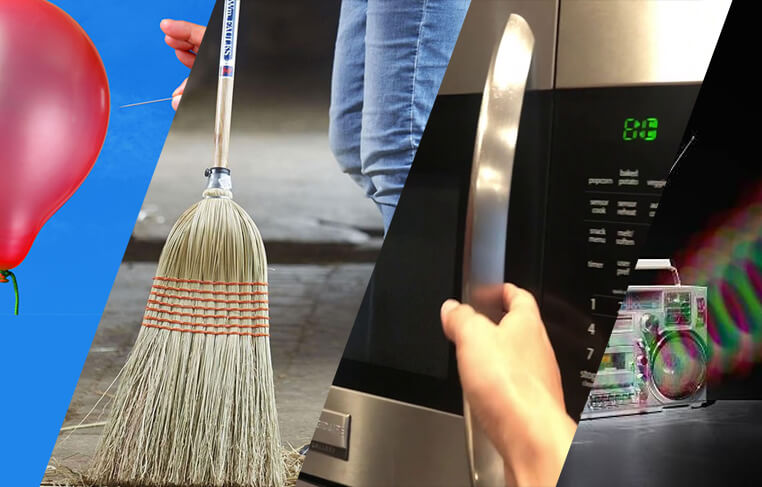
In the examples of different sources, they have brought the sound that has ideas in it
• An air conditioning fan.
• The airplane taking off.
• A ballerina dancing in toe shoes on a smooth surface.
• A balloon popping.
• The bell dinging on a microwave.
• A boombox blaring.
• A broom swishing.
• A buzzing crew of beeds.

Conclusion
Overall sound is a sort of energy created by vibrations. If an object vibrates, it produces movement in surrounding air molecules. These cells bump into the molecules near to them, establishing them to vibrate too. This creates them scramble into more close air molecules. Retrospectively to other activities, we at Zico, an enterprise sound-oriented in South Korea research more and more about the mere matter of sound for its own sake, applying the notions and out-comes in the sound technology of Zico.